

The Science of Flow: Intelligent Hydration™ at the Baja 1000
Baja doesn’t tolerate inefficiency. Heat builds, fatigue compounds, and decision-making never stops. Over hours of sustained exertion, systems either support performance or quietly work against it. This harsh environment is where FluidLogic® was born.
Established in 2016, FluidLogic was shaped by our founder’s firsthand experience racing in Baja. Even with a traditional hydration pack, the outcome was consistent: he finished races exhausted and dehydrated. Water was available, but access was poorly timed. Large sips at pit stops or reactive drinking driven by thirst forced athletes to break rhythm, take hands off the bars, and divert attention. Hydration existed, but it disrupted flow instead of reinforcing it.
That gap became the design challenge, and the solution became the first Intelligent Hydration™ System, precisely built on strategic dosing delivered through seamless integration.
For a closer look at how this philosophy shows up in real race conditions, you can watch the full film here: https://youtu.be/FCA54VISVF4

Baja as a Design Constraint
Originating in off-road racing and quickly expanding across motorsport—from Baja to NASCAR and IndyCar—our earliest systems were built for hours of heat, vibration, and cognitive load. In those environments, hydration isn’t about comfort; it directly affects heart rate stability, temperature regulation, and decision quality.
Baja made one principle unavoidable: consistency matters. Small, predictable doses of water delivered without interrupting movement or attention help maintain a more stable physiological and mental state over long durations. That theory was a requirement imposed by the environment itself, and that same constraint-driven thinking continues to guide how we build today.
Returning to Baja to Evolve the System
In 2025, we returned to Baja to advance our Intelligent Hydration™ Systems further in the environment that shaped them. Working alongside SLR Honda and Herbst Motorsports, we treated the Baja 1000 as a live performance lab where athletes, technology, and data moved together under constant stress.

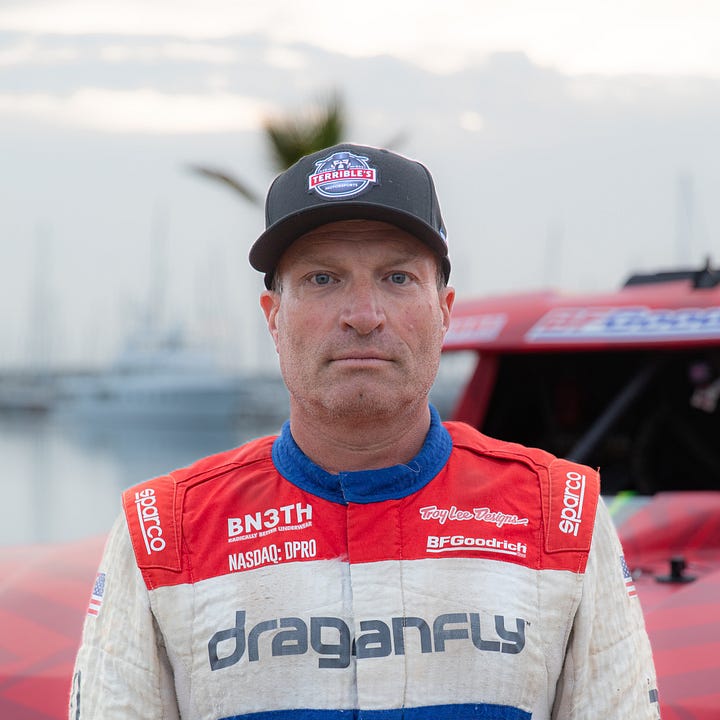
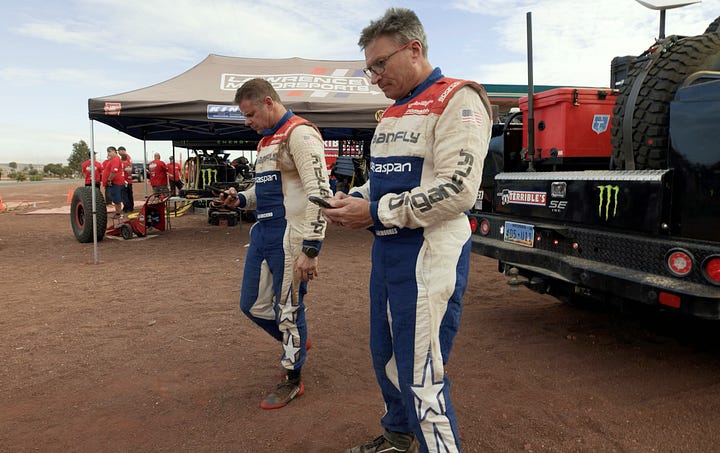
Herbst Motorsports ran a prototype version of our next-generation vehicle hydration system. Driver Ryan Arciero and navigator Travis Moores operated with hydration integrated directly into the vehicle, supporting steady effort across a single long stint and unpredictable terrain.
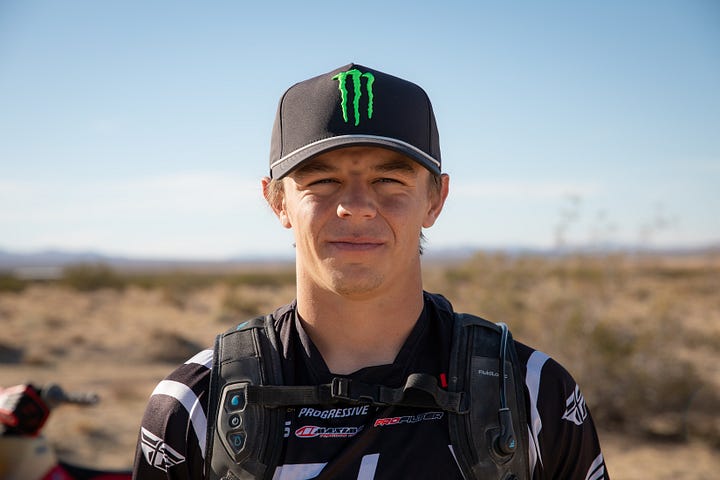
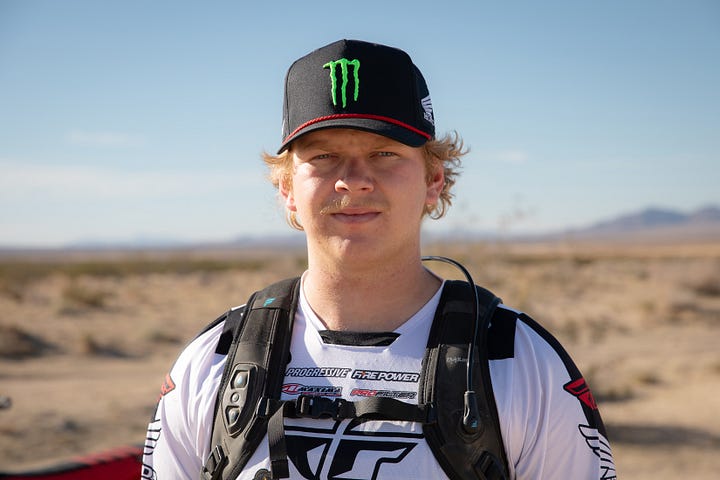
At the same time, SLR Honda deployed the wearable GPR50 Hydration System, placing Intelligent Hydration™ directly on the athlete. Riders Tyler Lynn and Carter Klein carried the system through the physical variability of two wheels in Baja, where terrain, climate, and exertion constantly shift, focusing on how systems perform across an entire race day rather than in short bursts.
What the Data Revealed
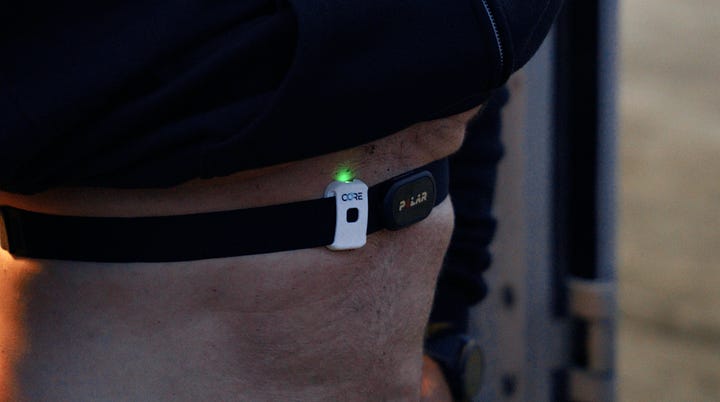
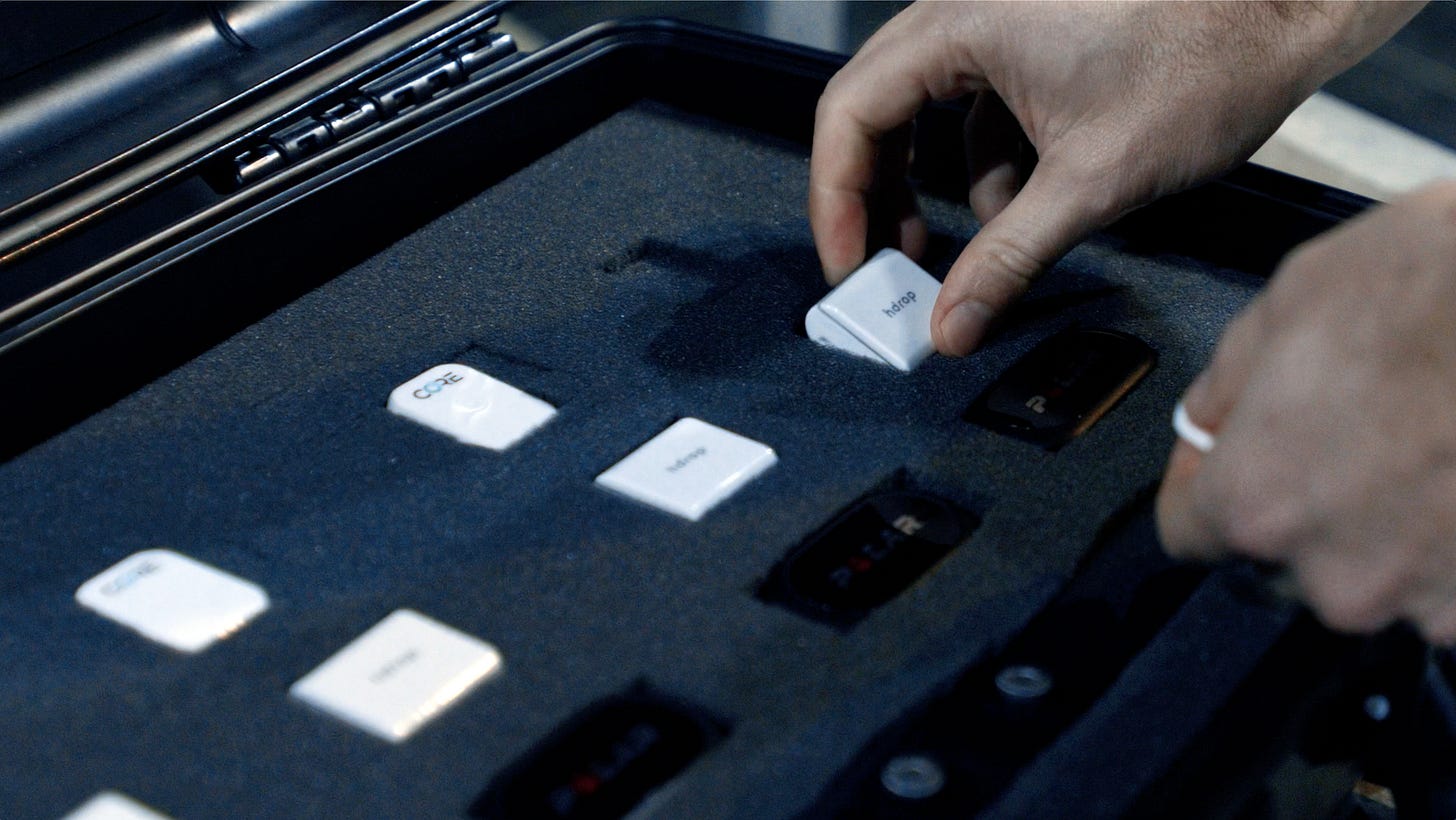
Throughout the project, athletes were equipped with wearable performance sensors capturing heart rate, core body temperature, and sweat loss, alongside cognitive testing using the DRUID app. The objective was not to run a formal clinical trial, but to evaluate whether a hydration protocol developed through lab testing would hold up in a real-world, high-intensity environment like the Baja 1000.
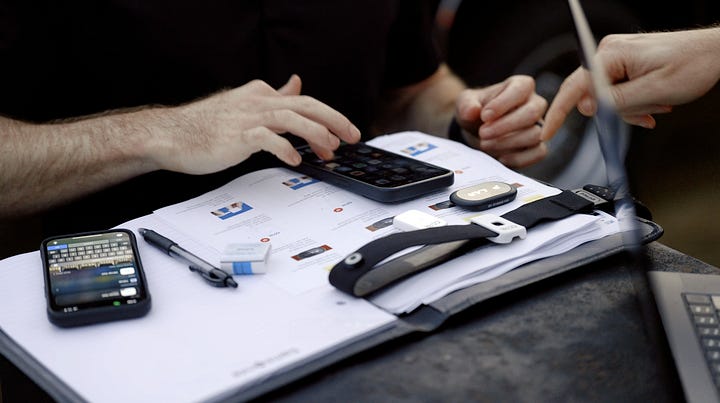
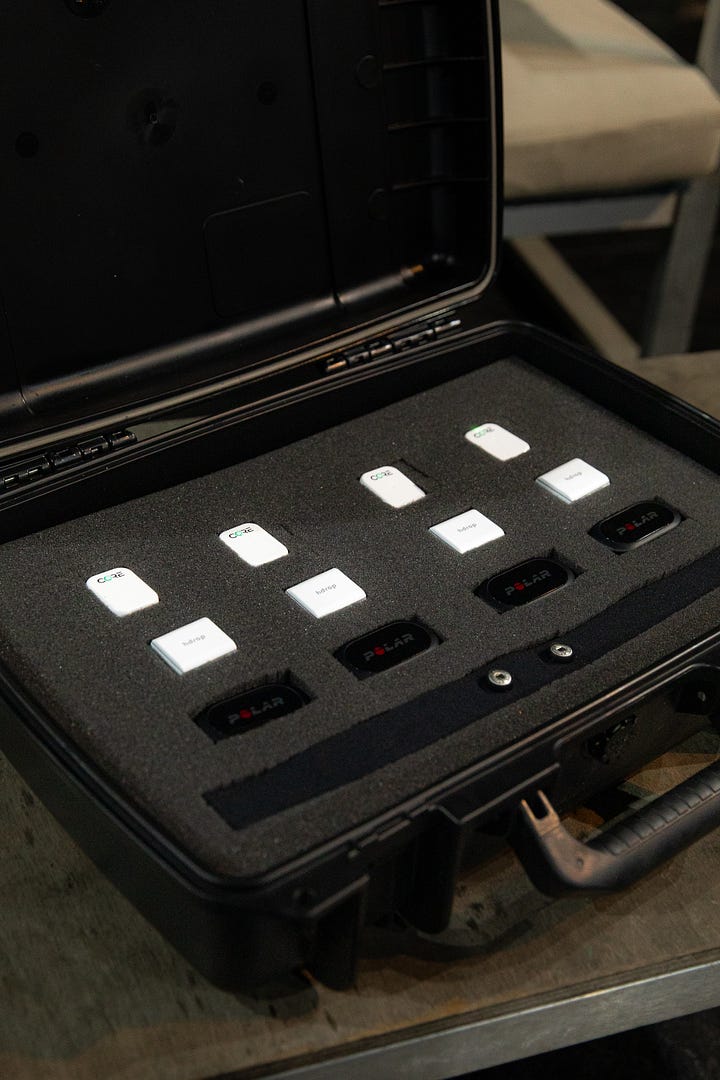
Under the direction of Jon Osborne, VP of Performance Science and Data Strategy at FluidLogic, the focus was on consistency under extreme conditions, observing how hydration behavior aligned with physiological stability during prolonged, variable efforts.
Heart rate consistency emerged as the clearest signal. In endurance activities, heart rate typically trends upward as fatigue and strain accumulate. What we observed, particularly among Ryan Arciero and Travis Moores, was consistent heart rate stability across their stint on the course, even as conditions changed.
Ryan Arciero, who followed the hydration protocol with the greatest consistency, maintained a steady heart rate through the duration of his stint. Travis Moores showed a similarly controlled range, reflecting steady output without increasing strain. These patterns align with expectations when hydration supports performance proactively, rather than reacting to fatigue after it appears.
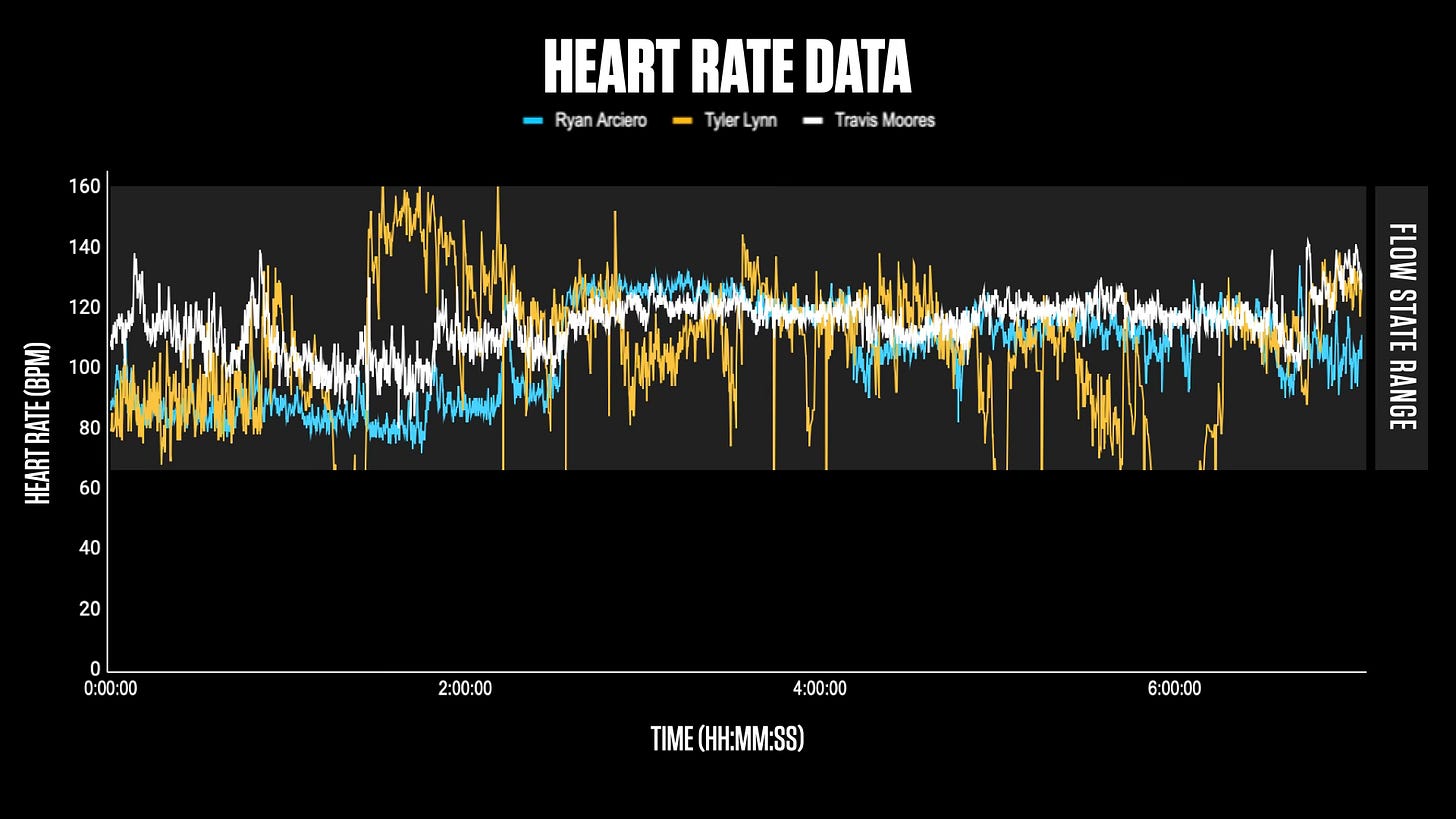
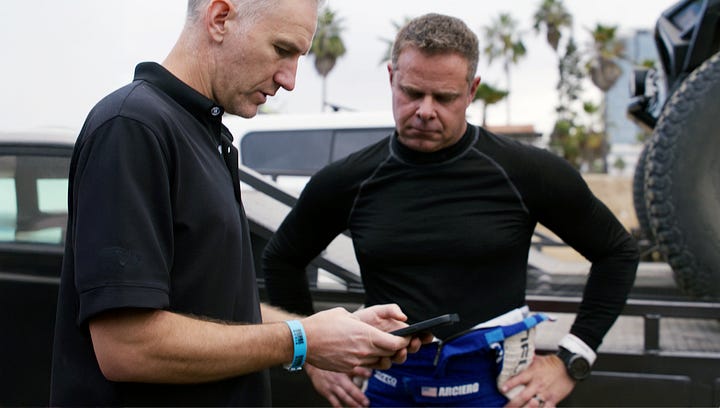
“When athletes try to perform at a consistently high level for a long period of time, you typically see heart rate start to climb as strain builds and the body becomes more fatigued,” said Jon Osborne.
“What we saw was that our athletes were able to maintain a steady heart rate from the start of the race all the way through the finish. There wasn’t that climb you would expect in someone who wasn’t hydrating well. That tells us they were able to extend a high level of performance over a very long effort.”
Core body temperature reinforced the same signal. Across athletes with usable data, body temperature remained within a stable range throughout the race, indicating effective hydration habits from start to finish.
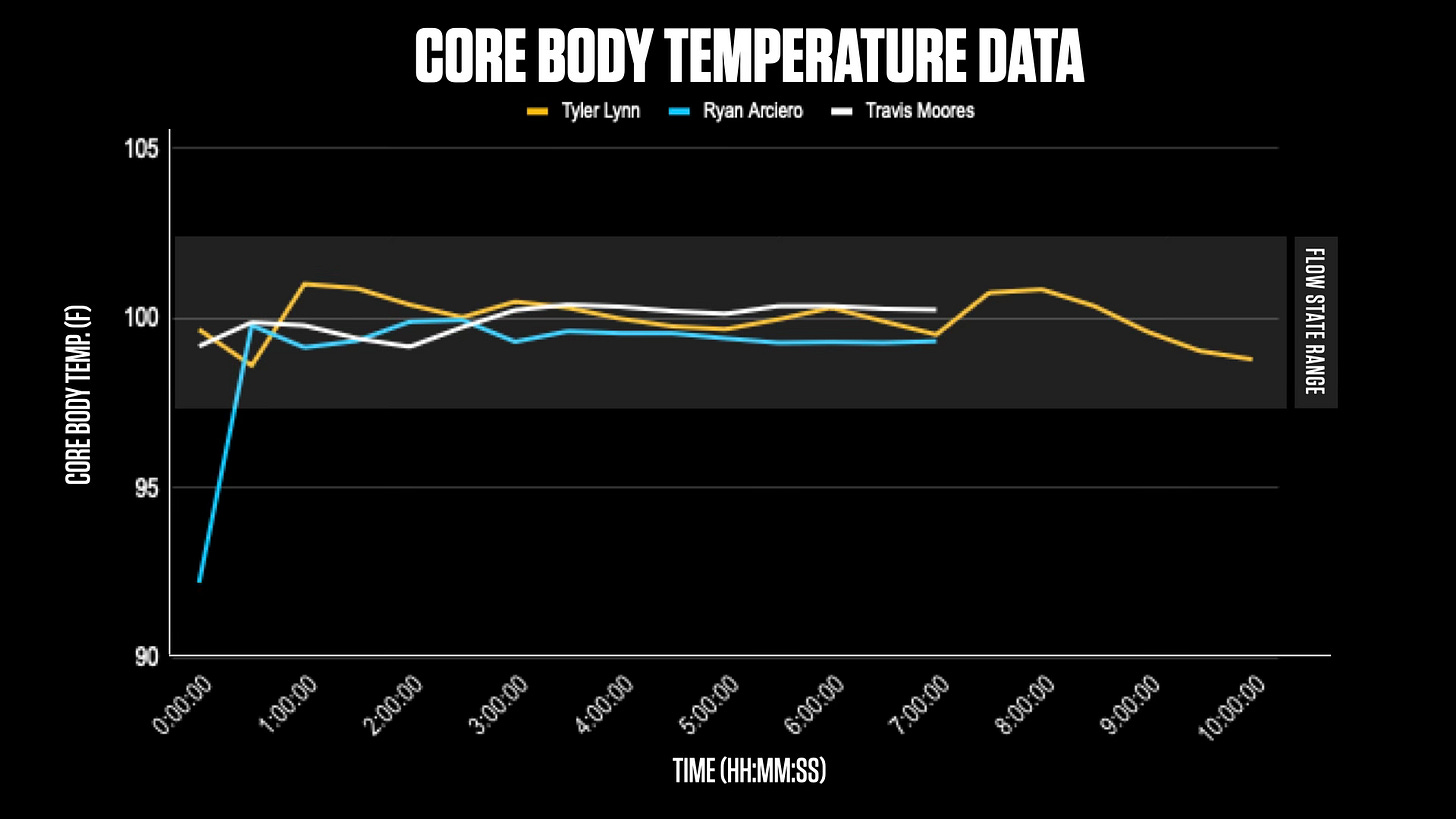
Sweat loss sensor outputs added further clarity. Although each athlete used the system slightly different, outcomes remained consistent. Ryan’s data reflected frequent, disciplined dosing, while Travis’s intake pattern was more situational, aligned with the variable demands of his role. In both cases, thermal stability was maintained, demonstrating that the hydration protocol can adapt to individual preferences while supporting consistent physiological results.
 Cognitive testing added another layer of insight. Where valid post-race data was collected, particularly among the Herbst team, results showed minimal deviation from baseline scores.
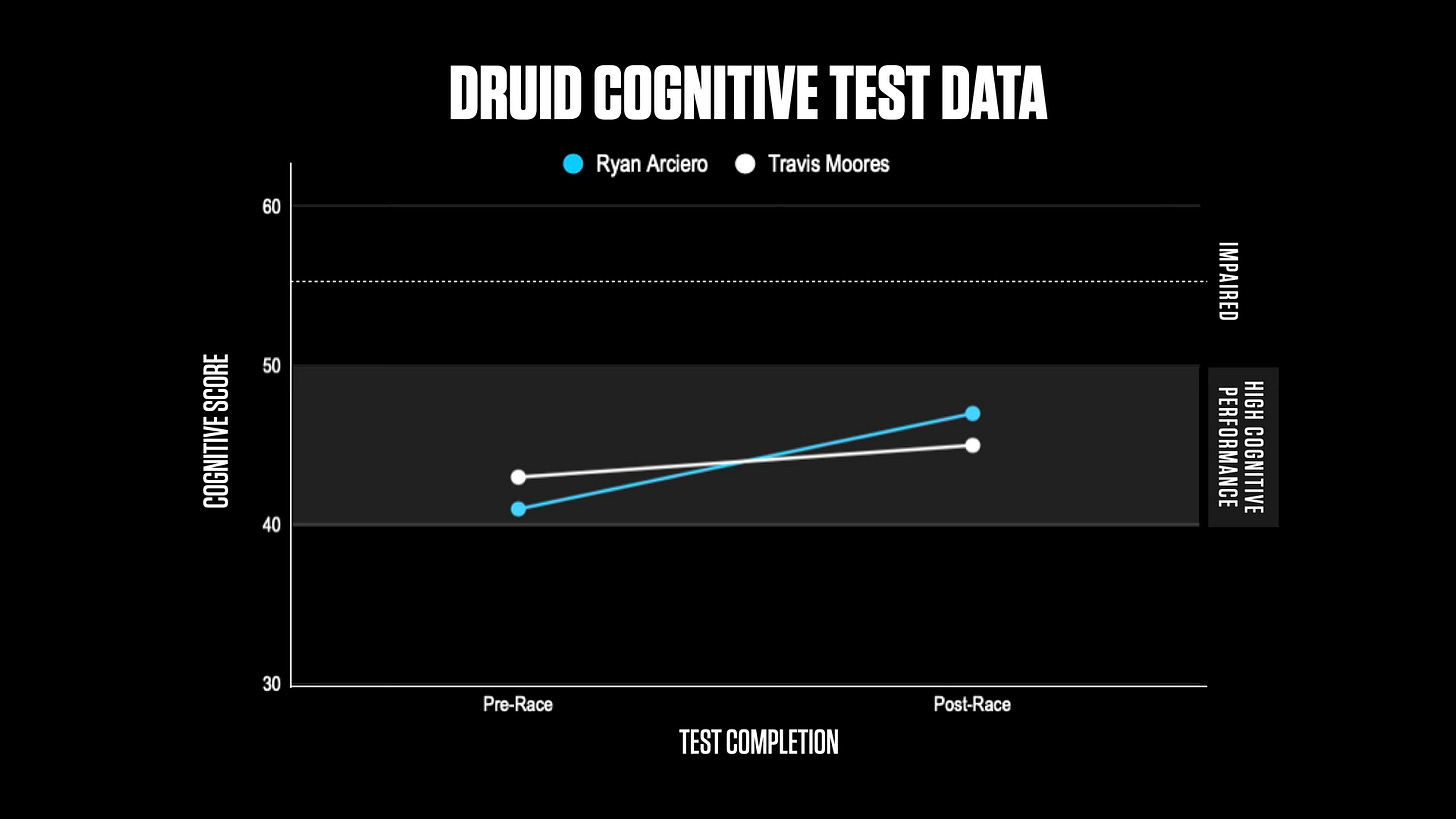

Lower variability suggests preserved cognitive performance under load, with athletes remaining sharp late into their race segments, consistent with expectations from prior lab testing.
“This is exactly what we hope to see when hydration is working as intended, with physiological stability across heart rate, temperature, and cognition, even under some of the most extreme conditions,” said Jon Osborne.
The full feature brings this data to life through conversations with Jon Osborne, as well as the athletes themselves, captured both before and after the race.
Why Baja Still Matters
Baja strips systems down to only what works, where heat, fatigue, and decision density expose anything that creates friction.
Intelligent Hydration™ Systems support stability here across hours of continuous exertion, and it translates anywhere human performance is pushed to its edge. This project strengthened our understanding of how strategic dosing and seamless integration help athletes stay closer to flow, where effort feels controlled, efficient, and repeatable.
But insights from Baja do not stay in Baja.
“The lessons from Baja are foundational, but they’re not the endpoint,” said Chris Sackett, VP of Consumer Products.
“What we’re focused on now is applying those principles to new environments where hydration directly influences safety, decision-making, and optimal performance. As Intelligent Hydration™ expands, the goal is the same: build systems that support people operating under real, constant demand.”
What Comes Next
As we move through 2026, Baja remains the proving ground. It’s where new product generations are refined, where systems are put to the test, and where Intelligent Hydration™ continues to be validated in the most demanding conditions motorsport can offer.
Beyond Baja, FluidLogic is expanding into environments where hydration directly influences safety, performance, and decision-making. Motorsport remains core to our DNA, but our mission stays constant: to optimize human performance through Intelligent Hydration™. Baja set the standard, and that standard now guides how we build wherever performance truly matters.
Watch the Full Film on YouTube: